




Research Areas:
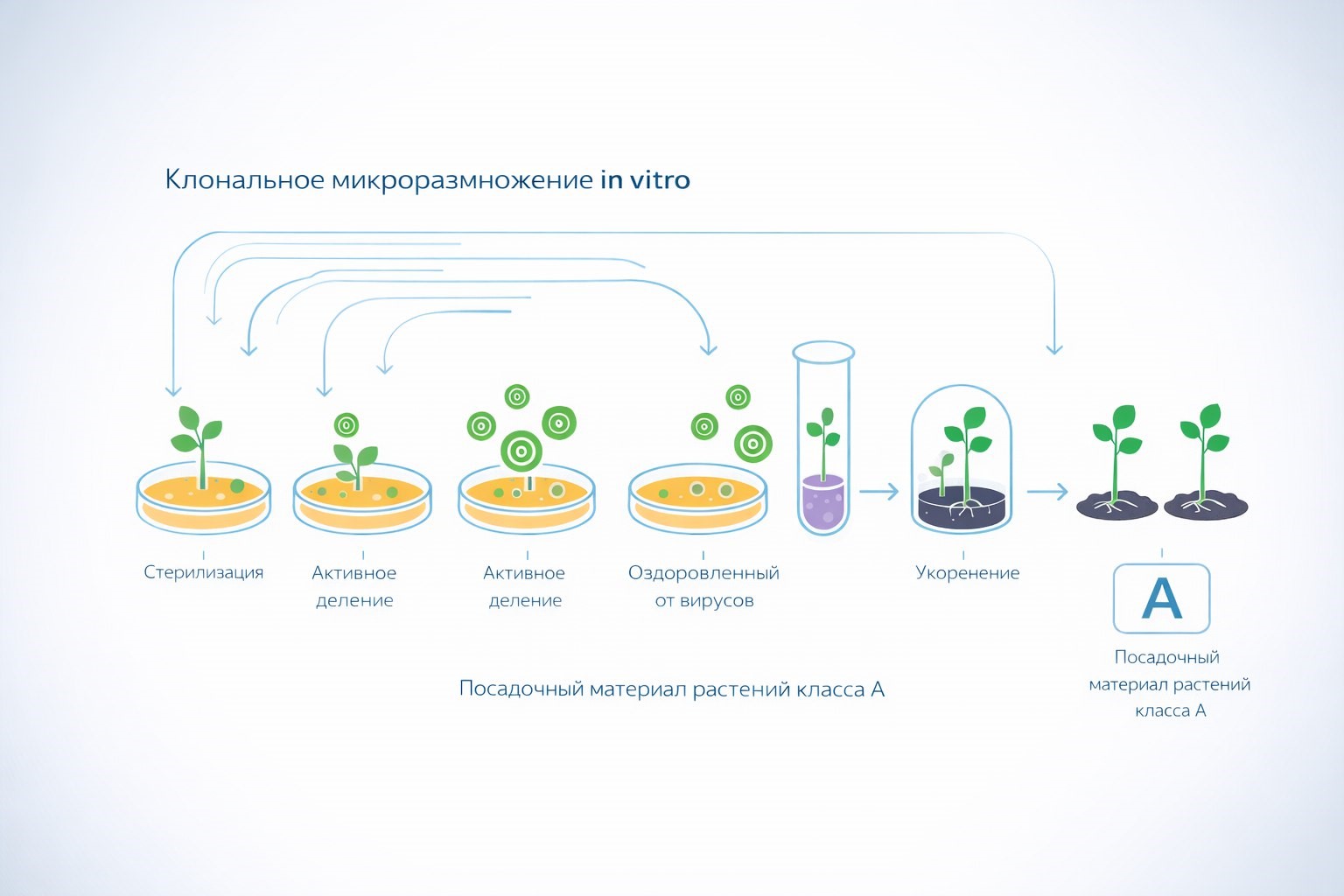
1. Production of planting material using the method of plant clonal micropropagation in vitro (Class A, super-super elite planting material).
Clonal micropropagation (in vitro) is a method of asexual plant reproduction under sterile laboratory conditions that allows for the production of high-quality, genetically identical copies (clones). The process includes explant sterilization, active division on a nutrient medium, rooting, and soil adaptation. This technology ensures the production of virus-free planting material. This method is widely used for the propagation of fruit, berry, ornamental, and forest crops.
Molecular genetic control of planting material purity involves the use of DNA markers (SSR, SNP, RAPD) for precise cultivar identification and verification of virus-free plants (in vitro), clones, and reproductions (from super-super elite to elite) throughout all production stages. Unlike morphological methods, this approach ensures high accuracy, prevents varietal mixing, and guarantees the authenticity of the material. The use of molecular markers allows for high-precision monitoring of varietal consistency, even for imported material, which is critical for crop quality and yield.
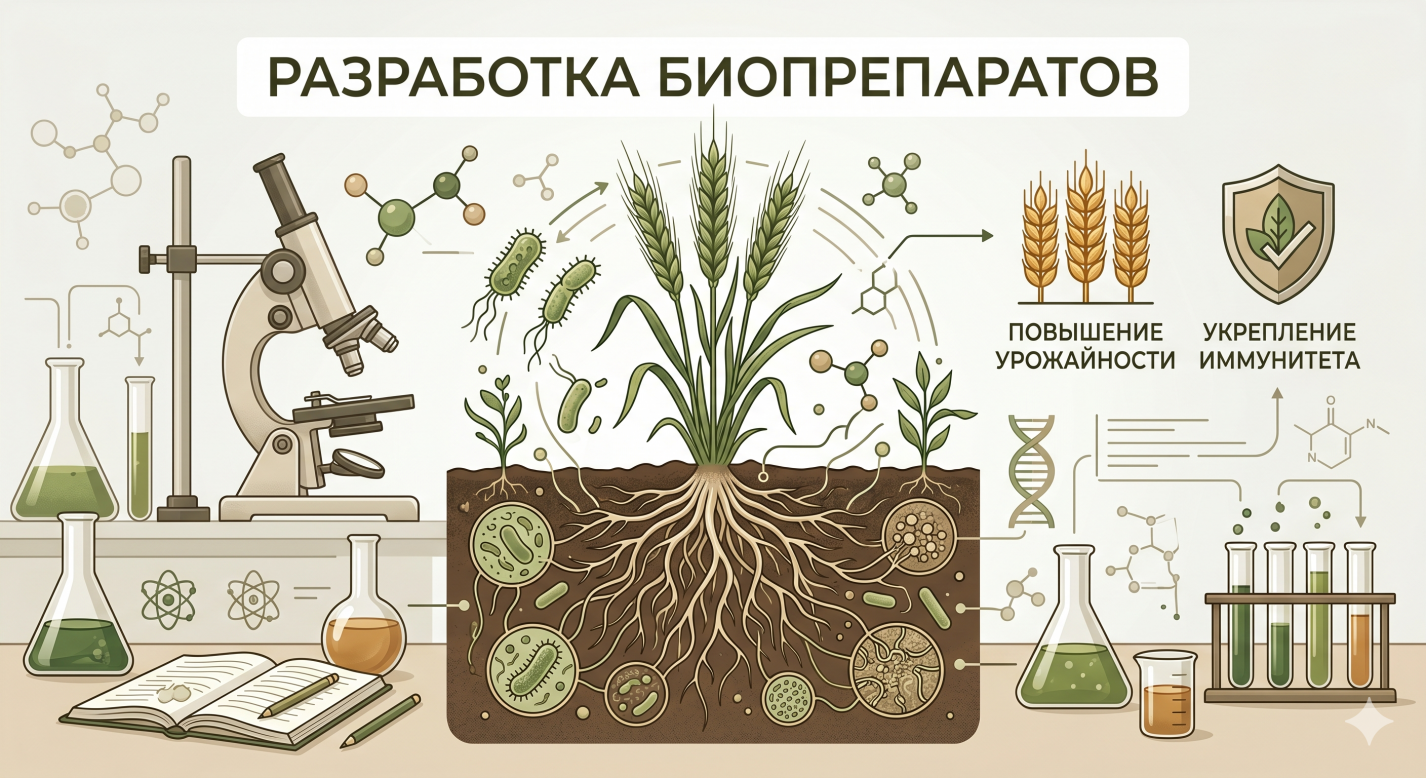
3. Development of microbial-based growth stimulants to enhance crop yield and immunity.
The development of microbial growth stimulants (biopreparations) focuses on creating environmentally safe products that increase yields by 15–30% and strengthen plant immunity. The use of beneficial bacteria (rhizospheric) and fungi improves resistance to stress, drought, and disease while enhancing nutrient uptake. These biopreparations help reduce the reliance on pesticides and mineral fertilizers, ensuring the production of eco-friendly agricultural products.
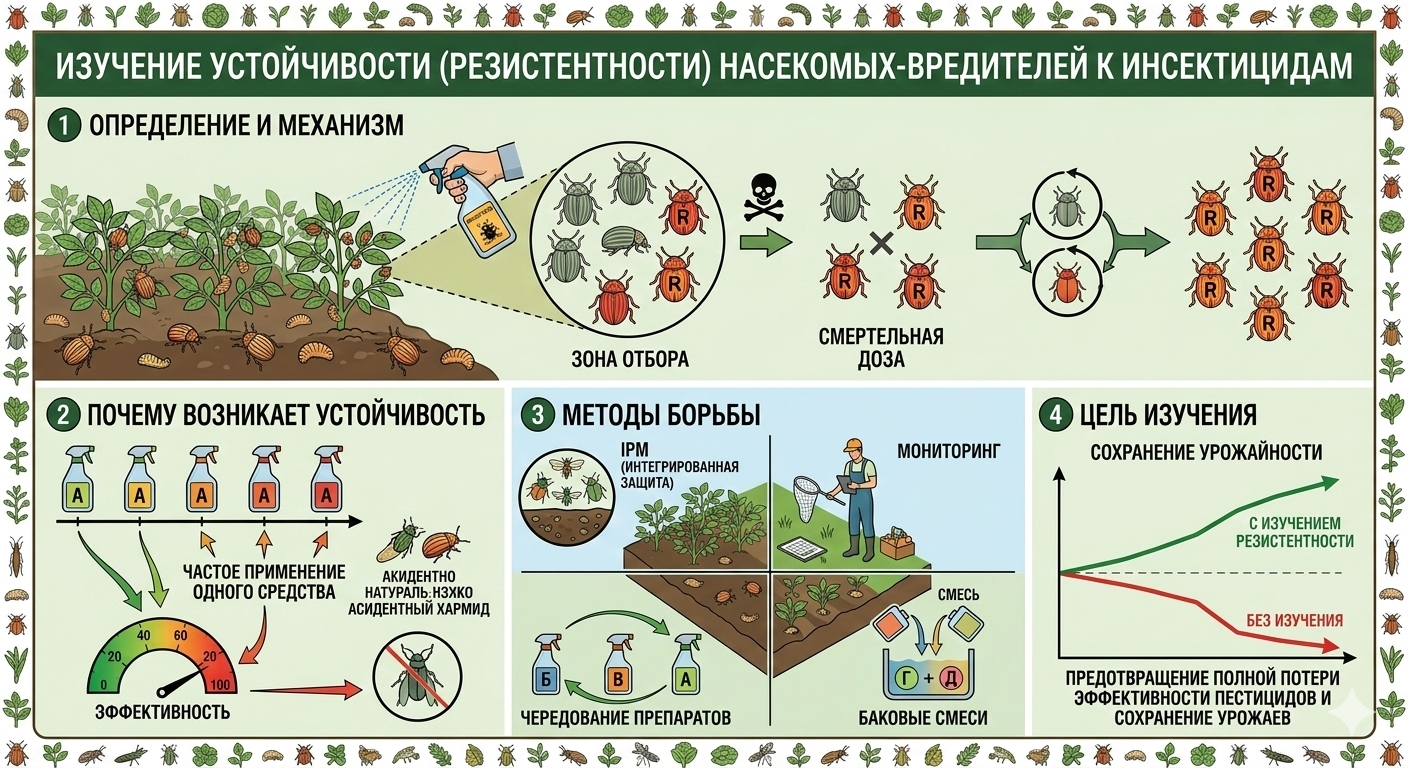
Insect pest resistance (resistance) to insecticides is the ability of populations to survive and reproduce when exposed to previously lethal doses of chemical or biological pesticides. It arises through natural selection and repeated application of the same pesticides. Control requires product rotation, tank mixes, integrated pest management (IPM), and monitoring, as resistance quickly reduces the effectiveness of control measures. Studying resistance helps prevent the complete loss of pesticide effectiveness and maintain crop yields.
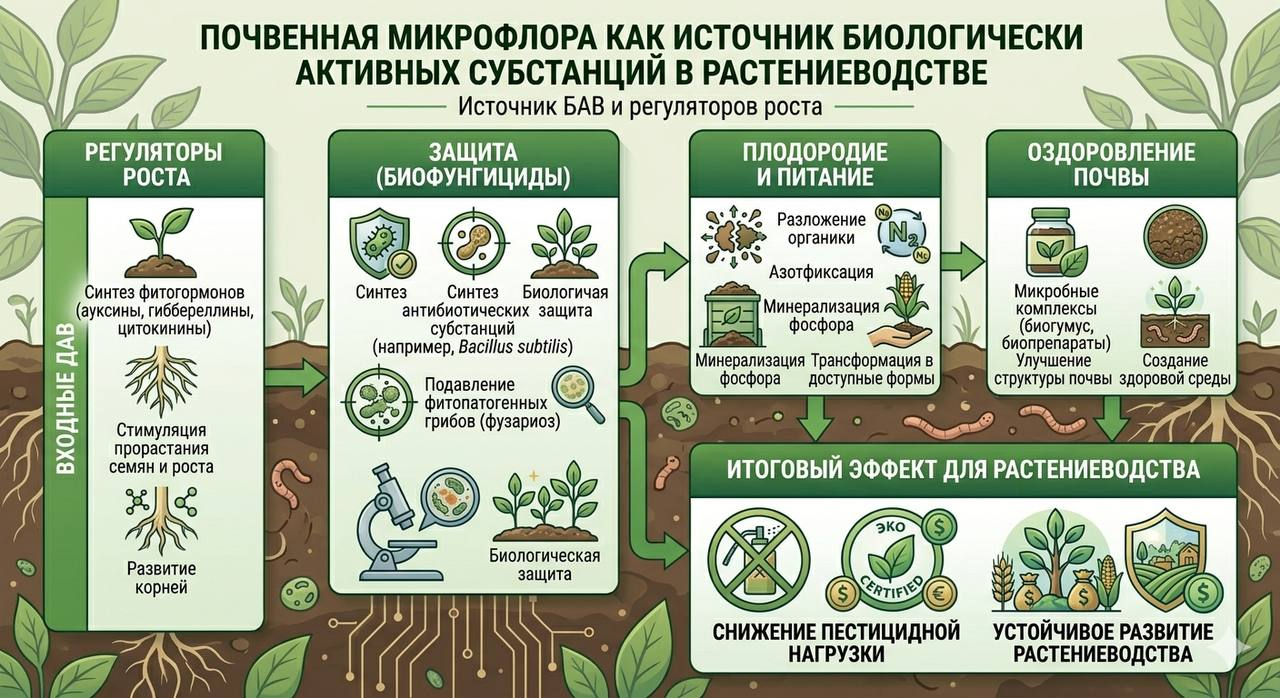
Soil microflora is a key source of biologically active substances (BAS) and growth regulators that increase fertility, protect plants from pathogens, and stimulate their development. Microorganisms synthesize phytohormones, antibiotics, enzymes, and vitamins, providing environmentally friendly nutrition and protection for agricultural crops, especially in the root zone (rhizosphere). Key aspects of soil microflora utilization: Growth regulators: Soil bacteria and fungi produce substances similar to natural hormones (auxins, gibberellins, cytokinins), stimulating seed germination, root growth, and the growth of aerial parts of plants. Protection (biofungicides): Bacterial strains, such as Bacillus subtilis, synthesize antibiotic substances that suppress the development of phytopathogenic fungi (e.g., fusarium), acting as biological defenses. Fertility and nutrition: Microflora decomposes organic matter, transforming it into forms accessible to plants, and also participates in nitrogen fixation and phosphorus mineralization. Soil improvement: Microbial complexes (vermicompost, biopreparations) facilitate the transformation of organic matter, improving soil structure and creating a healthy environment for plants. The use of soil microorganisms in biopreparations reduces pesticide loads and ensures sustainable crop production.
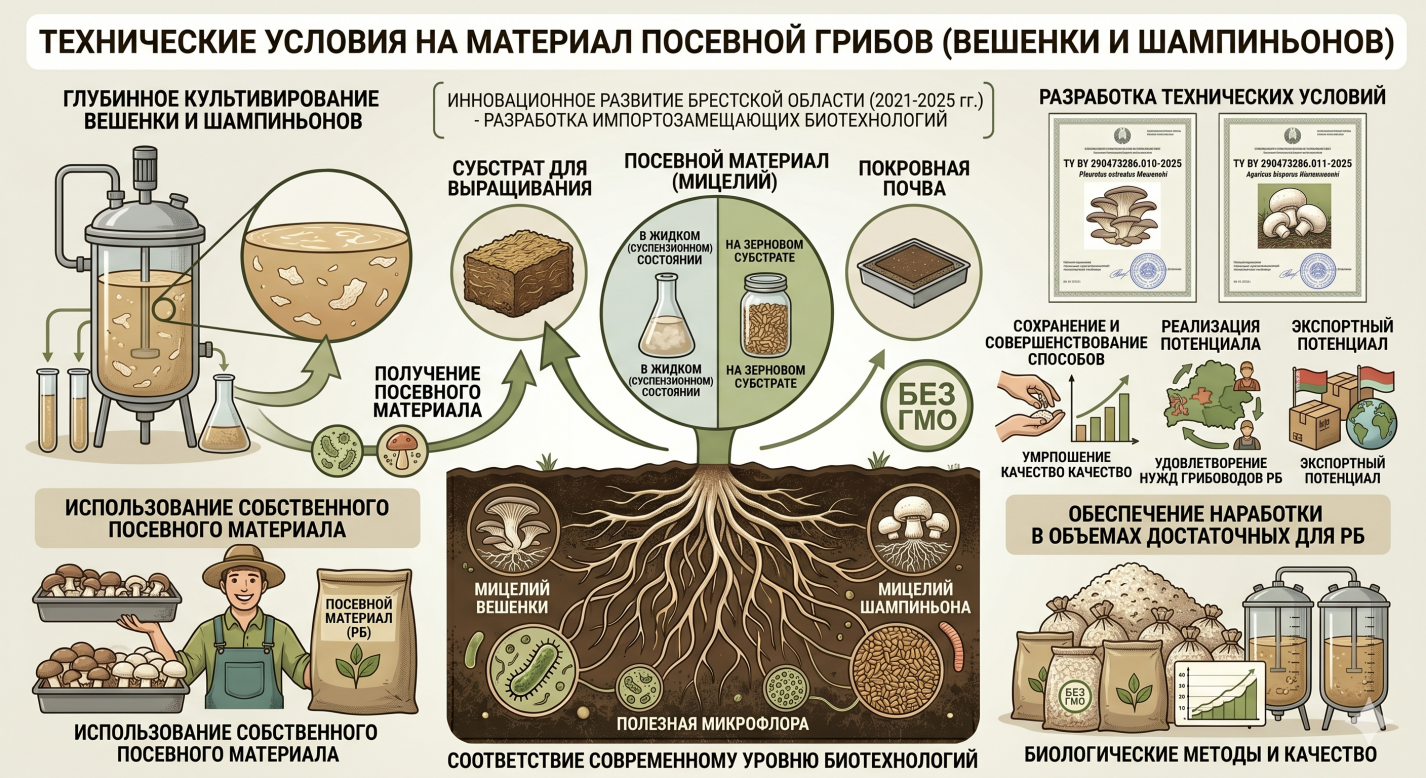
Optimization of methods for obtaining seed material for Oyster mushroom and Agaricus bisporus based on a comprehensive study of the growth and development characteristics of promising basidiomycete strains under solid-phase and submerged cultivation conditions. The development of a method for producing high-quality seed material for Agaricus bisporus and Oyster mushroom is aimed at further development and meeting the mushroom industry's demand for this type of product, i.e., creating an alternative to imported products using natural growth regulators. The advantages of this method include high mycelial growth rate, production of active and uniform planting material, and a minimized risk of contamination compared to surface cultivation. The development and improvement of such technologies, including the selection of nutrient media, is actively underway to increase mushroom yields.
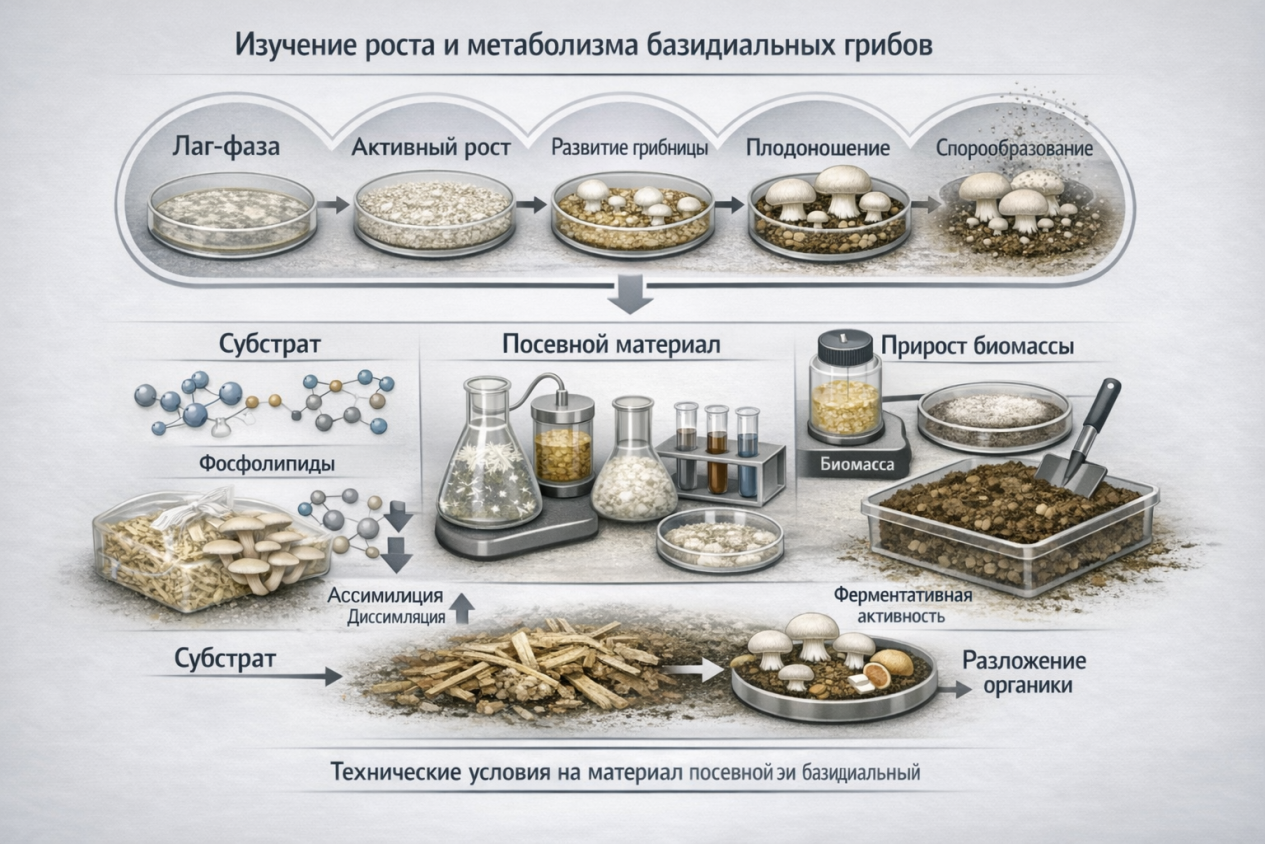
7. Studies of the growth, development, and metabolic parameters of basidiomycetes.
The study of basidiomycetes encompasses the five-phase growth of mycelium (from lag phase to fruiting), phospholipid metabolism, assimilation/dissimilation, and substrate effects. Growth analysis includes assessment of biomass growth rate and enzymatic activity, especially when cultivated on plant residues. Basidiomycete research is important for biotechnology, as they are involved in organic decomposition and food production.
Obtaining naturally occurring biologically active compounds (BACs) involves extraction from plant (inulin, menthol) or animal sources, as well as purification (e.g., delignification). Methods include physical pretreatment and grinding. Testing is conducted to assess physiological activity, including antioxidant and antimicrobial properties, and their effects on metabolism. The resulting substances are used to create biologically active supplements (BAS) that regulate metabolism.
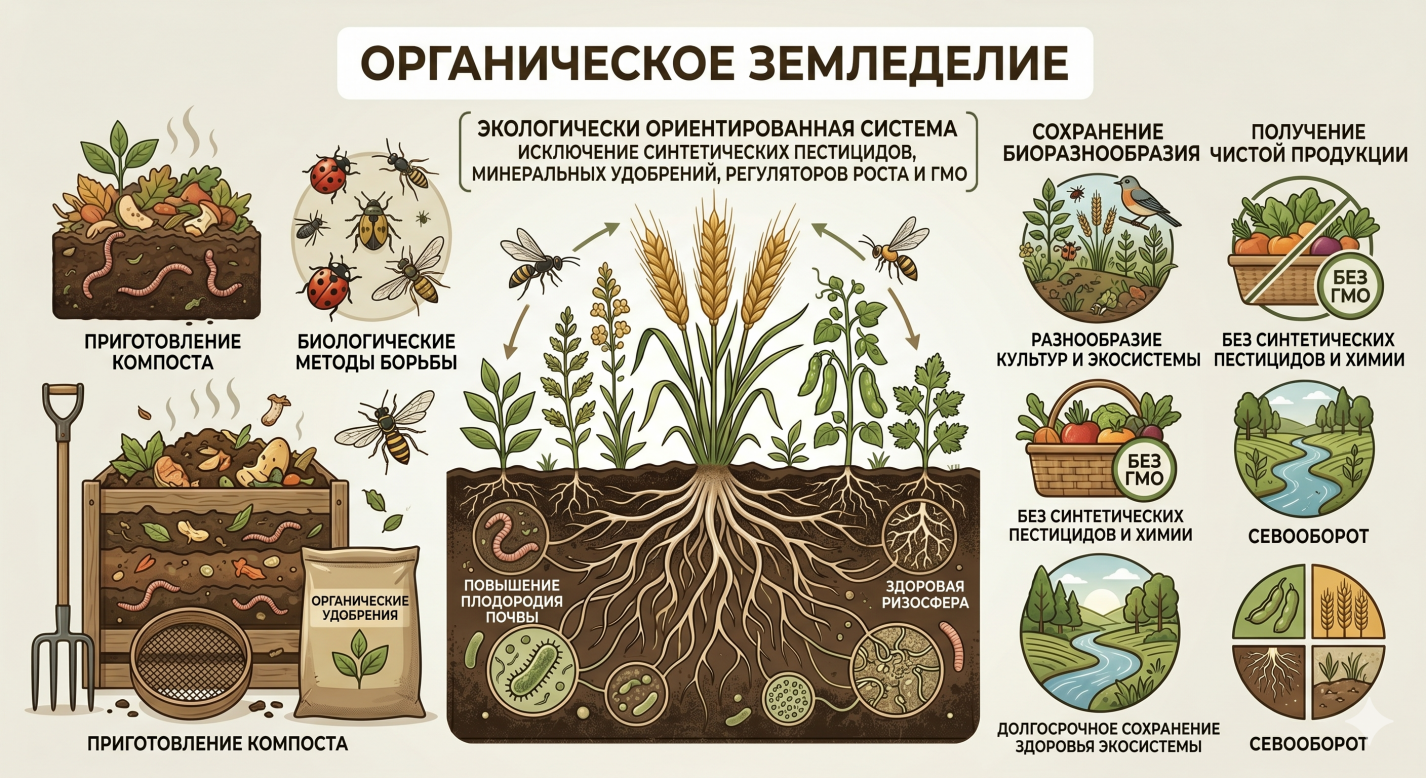
Organic farming is an environmentally oriented agricultural system that excludes the use of synthetic pesticides, mineral fertilizers, growth regulators, and GMOs. It is based on the principles of health, ecology, fairness, and care, aimed at increasing soil fertility, preserving biodiversity, and producing clean produce. A key distinguishing feature of the organic approach is its focus on long-term preservation of ecosystem health, rather than maximizing short-term yields.
Significant scientific developments:
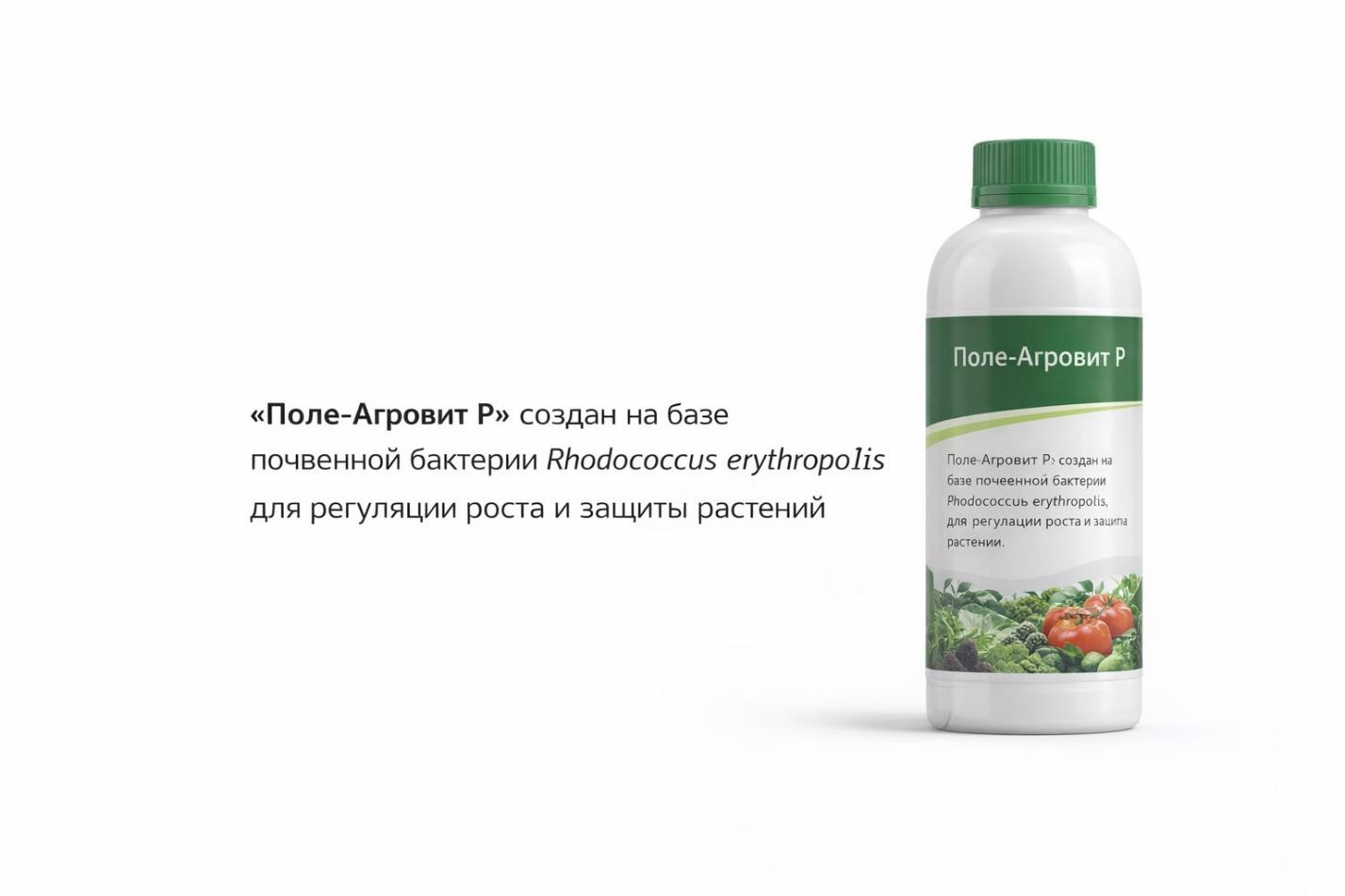
1. Pole-Agrovit R.
Under the cooperation agreement (Agreement No. 347 dated October 15, 2018 and Agreement No. 78 dated April 8, 2022) between Pole State University and JSC Agrosfera (Russian Federation), Pole-Agrovit R, a plant growth regulator based on the soil bacterium Rhodococcus erythropolis, was developed. Technical specifications for Pole-Agrovit R (TU BY 290473286.004-2019) have been developed, and Patent No. 23625 for "Rhodococcus erythropolis strain exhibiting growth-promoting and fungicidal activity" has been issued. Pole-Agrovit R is registered with the Main State Inspectorate for Seed Production, Quarantine, and Plant Protection as a plant growth regulator (Certificate No. 5595, No. 5743, No. 6309). Pole-Agrovit R is used for pre-sowing treatment of agricultural crop seeds, spraying plants during the growing season, preparing agricultural products for storage, and for soil treatment before sowing and during the growing season.
Implementation of this development will allow:
- to use domestically produced seed material in the industrial production of oyster mushroom and white button mushroom;
- to ensure the production of oyster mushroom and white button mushroom seed material in quantities sufficient to meet the needs of producers (mushroom growers) in the Republic of Belarus, with possible export potential;
- to reduce dependence on imported seed material.